

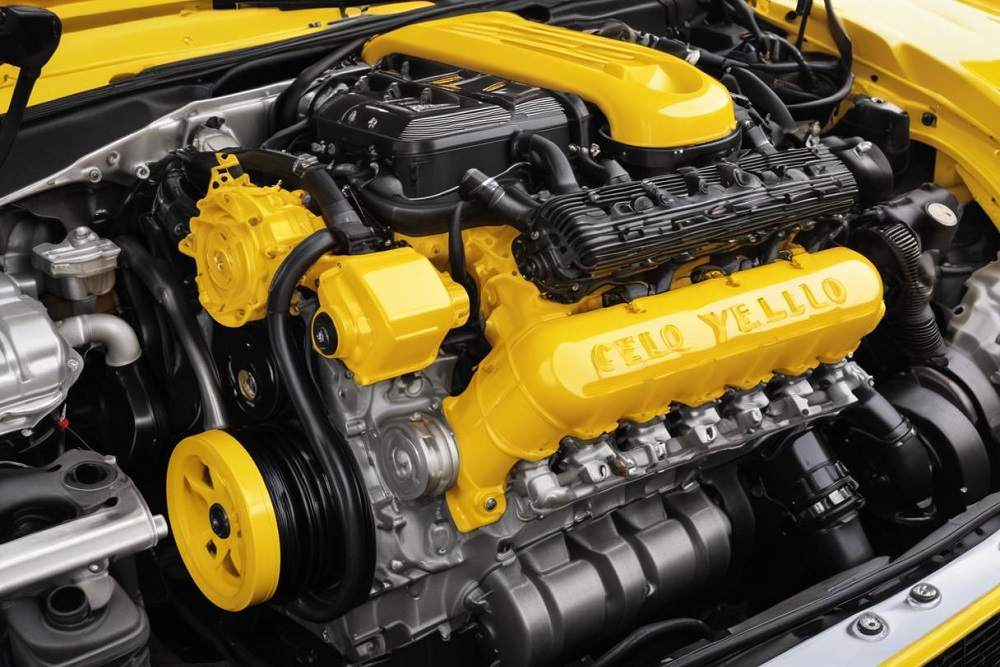
Engine performance and fuel efficiency remain top priorities for operators managing demanding equipment across various industries. Advances in engine technology continue offering meaningful improvements in both power output and overall operating cost. Exploring how specific improvements contribute to these gains helps operators make more informed equipment and maintenance decisions. Exploring how specific improvements contribute to these gains helps inform equipment decisions.
Why Engine Efficiency Matters for Equipment Operators
Fuel costs represent a significant ongoing expense for businesses relying on heavy equipment across daily operations. Improved engine efficiency directly reduces these operating costs while also supporting more environmentally responsible equipment use. Performance improvements similarly affect productivity, allowing equipment to accomplish more within the same operating timeframe. Recognizing these connections helps explain why engine efficiency deserves careful, ongoing attention. Recognizing these connections helps explain why efficiency deserves ongoing attention. Operators who prioritize this efficiency consistently see stronger long-term cost savings.
The Role of a Diesel Turbocharger in Improving Performance
Installing a properly functioning diesel turbocharger significantly increases engine power by forcing additional air into the combustion chamber. This process allows engines to generate more power without requiring a larger, heavier engine design. Improved combustion efficiency from this component also contributes meaningfully to better overall fuel economy. Understanding this role helps operators appreciate why maintaining this component matters so significantly for overall performance. Understanding this role helps operators appreciate why maintaining this component matters.
Comparing Turbocharged and Naturally Aspirated Engines
Turbocharged engines generally deliver stronger performance and improved fuel efficiency compared to naturally aspirated alternatives under similar operating conditions. This performance advantage becomes particularly noticeable during demanding tasks requiring sustained power output. Understanding these differences helps operators make more informed decisions when selecting or upgrading equipment. This comparison highlights why turbocharged systems remain popular across many heavy equipment applications. This comparison highlights why turbocharged systems remain popular across many applications.
Maintenance Practices That Support Long-Term Engine Performance
Regular oil changes and proper filtration significantly extend the functional lifespan of turbocharged engine components. Allowing adequate warm-up and cool-down periods helps protect these components from unnecessary thermal stress during operation. Following manufacturer-recommended maintenance schedules ensures continued reliable performance under demanding operating conditions. Consistent attention to these practices protects both performance and the overall value of the equipment. Consistent attention to these practices protects both performance and equipment value.
Maximizing Performance Gains Through Proper Equipment Care
Combining quality components with consistent maintenance practices maximizes the performance and efficiency benefits available from modern engine technology. Training operators on proper equipment use further supports these performance gains by reducing unnecessary wear. Monitoring performance metrics over time helps identify when additional maintenance or component replacement may be needed. This comprehensive approach ensures equipment continues delivering strong performance throughout its operational life. This comprehensive approach ensures equipment continues delivering strong performance.
Conclusion
Engine performance and efficiency continue improving through advances in component technology and thoughtful maintenance practices. Understanding how specific improvements contribute to these gains helps operators make smarter equipment and maintenance decisions. With proper attention to these details, equipment can continue delivering strong, reliable performance across demanding applications for years to come. This consistent attention ultimately protects both performance and long-term equipment value. This attentiveness keeps engines performing reliably across demanding daily operations.