

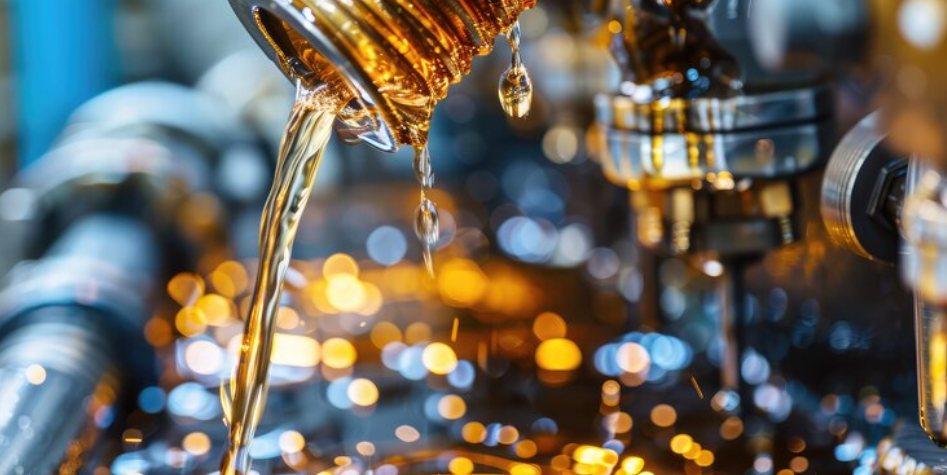
Modern equipment often works for long hours under demanding conditions. Machines with moving parts need proper lubrication to reduce friction, control wear, and support smooth operation. However, manual lubrication can sometimes be inconsistent or difficult to perform at the right time. An auto lubrication system provides a practical way to deliver lubricant to important machine components at regular intervals. By improving lubrication practices, this system can help businesses maintain reliable equipment and reduce unnecessary interruptions.
Consistent Lubrication for Moving Parts
One of the main benefits of an auto lubrication system is that it provides a steady and controlled supply of lubricant. Bearings, chains, gears, and other moving components need the right amount of lubrication to operate smoothly. Too little lubricant can increase friction and wear, while too much may also create problems.
An automated system can deliver measured amounts of lubricant according to the equipment’s needs. This consistency helps maintain suitable lubrication levels and supports the normal operation of moving parts.
Reduced Equipment Wear
Friction between moving components can gradually cause surfaces to wear down. When equipment is not lubricated properly, this wear can happen faster and may affect the performance of the machine. An auto lubrication system helps keep lubricant available at critical points, reducing direct contact between moving surfaces.
With better lubrication, components can operate with less friction. This may help extend the useful service life of bearings, chains, gears, and other parts. Regular lubrication can therefore become an important part of an effective equipment maintenance strategy.
Better Maintenance Scheduling
Manual lubrication requires workers to remember when different machine components need attention. In busy industrial environments, this task can sometimes be delayed because of other maintenance responsibilities. An auto lubrication system can make lubrication more systematic by delivering lubricant automatically according to programmed intervals or operating conditions.
This allows maintenance teams to focus more on inspections and other important tasks. Automated lubrication can also support a more organized maintenance routine because lubrication is performed consistently instead of relying entirely on manual schedules.
Improved Equipment Availability
Unexpected equipment problems can interrupt production and create additional maintenance work. While lubrication is only one part of equipment care, proper lubrication can help reduce problems associated with excessive friction and component wear.
An auto lubrication system keeps important lubrication points supplied while equipment is operating. This can support smoother machine performance and help reduce the likelihood of lubrication-related interruptions. As a result, businesses may be able to keep equipment available for longer periods and maintain more consistent operations.
Increased Workplace Convenience
Some lubrication points can be difficult to reach, especially when machinery is large, complex, or operating in demanding environments. Manual lubrication may require workers to access these areas regularly, which can make maintenance more time-consuming.
An auto lubrication system can reduce the need for frequent manual access to lubrication points. Lubricant can be distributed through connected lines to selected components, making routine lubrication more convenient. This can help maintenance personnel complete their responsibilities more efficiently while keeping important machine parts properly lubricated.
Conclusion
Equipment reliability depends on regular care, and effective lubrication is an important part of that process. An auto lubrication system can provide consistent lubricant delivery, reduce component wear, support maintenance scheduling, and improve overall equipment availability. By automating a routine maintenance task, businesses can create a more reliable approach to machine care and help their equipment perform smoothly over time.