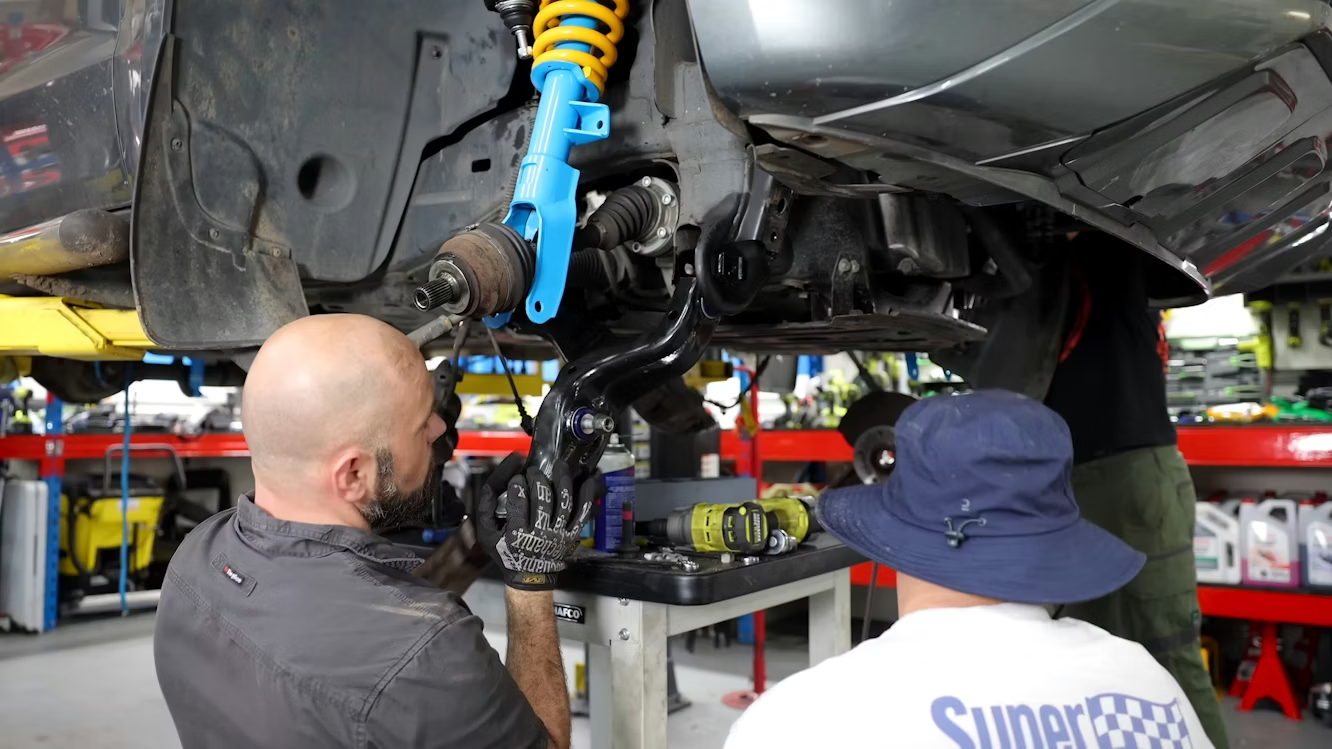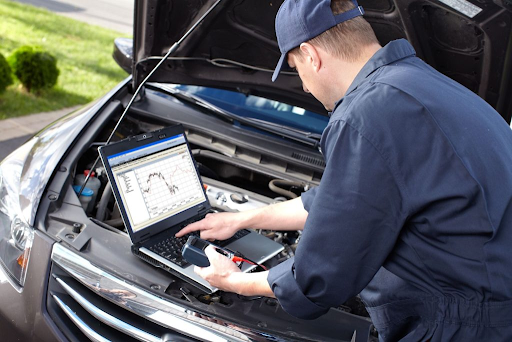

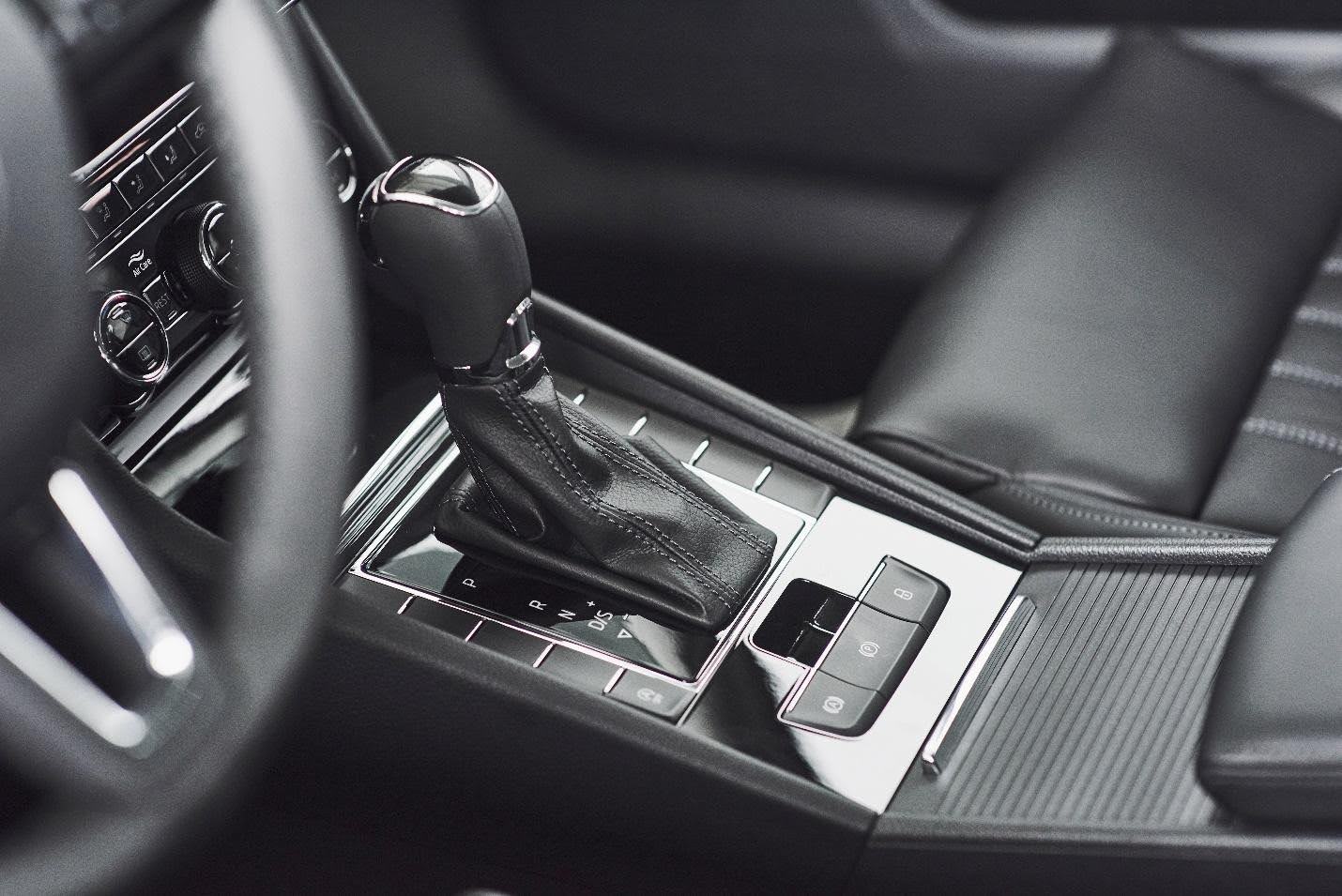
Auto transmission repair involves diagnosing, servicing, and fixing problems in a vehicle’s automatic transmission system. Because automatic transmissions are highly complex systems that transfer engine power to the wheels, repair services range from minor in-car fixes to full system rebuilds or replacements.
Have you been looking for ways to avoid the transmission issues that might affect your vehicle’s performance? You’re in the right place. This vehicle guide outlines common automatic transmission issues and how to avoid them.
1. Leaking or Low Fluid
Transmission fluid plays a dual role in an automatic transmission: it lubricates and cools the internal components. However, if the fluid level is low or there is a leak, it triggers a chain reaction: friction between parts causes overheating, and the damage spreads rapidly.
You can spot a leak under your vehicle by looking for a red-to-dark-brown fluid spot. If you find such a stain, schedule a professional inspection right away to ensure effective, rapid auto transmission repair.
2. Uncommon Noises and Vibrations
If you are hearing unusual sounds and experiencing increased vibrations, it is a sign that your automatic transmission is under attack. Vibrations or shaking at a certain speed may be due to worn internal gears, unsealed joints, or a driveshaft issue.
There could be multiple factors affecting your automatic transmission’s performance. However, it is recommended that you consult an expert if you hear unusual sounds accompanied by increased vibrations.
3. Dashboard Warning Lights
Dashboard warning lights are the most convenient way to alert drivers to automatic transmission issues. Most modern vehicles feature dashboard warning lights that signal transmission problems.
However, ignoring warning lights is not a good idea, even if your vehicle seems to be working well. As soon as you notice a warning light, have it checked by a certified technician to prevent potential damage to your vehicle.
4. Slipping and Shifting Problems
If you are experiencing an unwanted surge or jolt when shifting gears, it is a sign of a worn clutch or excessive clutch lag, which can make smooth shifting almost impossible. However, these shifting issues could be due to a variety of causes, such as worn clutch discs or an electronic malfunction.
It is always recommended that, in case of irregular surges or jolts during gear shifting, the vehicle should be inspected by experts to diagnose and resolve the issue as soon as possible.
5. Overheating and Excessive Wear
Overheating and excessive wear are among the top reasons your automatic transmission fails to perform optimally. Your automatic transmission can overheat during frequent stop-and-go driving or under heavy loads, which can change the fluid level and eventually cause transmission issues.
However, regular inspections by experts and frequent checks of fluid levels are important to prevent transmission issues.
Bottom Line
Automatic transmission repair involves diagnosing, servicing, and maintaining your transmission to keep it in optimal condition. However, with regular expert inspections, keeping the fluid level at required standards, responding to warning lights, noticing unusual sounds, addressing slipping and shifting issues, and preventing overheating and excessive wear can help you avoid most automatic transmission problems.