
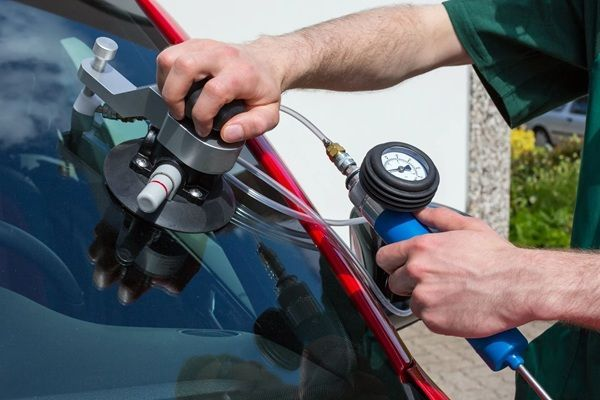
The windshield is one of the most structurally and functionally critical safety components on any vehicle, yet it is frequently treated as a simple glass panel rather than the engineered safety system it actually is. When damage reaches the point where repair is no longer sufficient, professional windshield replacement from a qualified auto glass technician restores the vehicle’s structural integrity and ensures that safety systems dependent on windshield integrity continue to function as designed.
Understanding When Repair Is Sufficient and When Replacement Is Needed
Not all windshield damage requires full replacement. Small chips smaller than a quarter in diameter and cracks shorter than about three inches that are located outside the driver’s direct line of sight can often be repaired with resin injection techniques that restore optical clarity and structural integrity without replacing the glass. Damage that falls within the driver’s primary viewing area, cracks that have spread across a significant portion of the windshield, chips with multiple legs or that have been contaminated with dirt and moisture, and any damage that has reached the inner laminate layer of the glass are all situations where replacement is the appropriate response.
The Structural Role of the Windshield
Modern vehicle windshields contribute significantly to the structural rigidity of the passenger compartment in ways that most drivers do not appreciate. In a rollover accident, the windshield supports a substantial portion of the roof load, preventing or limiting cabin crush that would otherwise occur. In a frontal collision, the windshield provides the backstop against which the passenger-side airbag deploys, and a windshield that is not properly bonded to the vehicle body can eject during the airbag deployment, dramatically worsening occupant outcomes. A windshield that has been damaged or improperly installed cannot perform these structural functions as designed.
ADAS Calibration After Windshield Replacement
Many modern vehicles incorporate advanced driver assistance systems including lane departure warning, automatic emergency braking, and adaptive cruise control that rely on cameras and sensors mounted to or behind the windshield. When the windshield is replaced, these systems must be recalibrated to the new glass to ensure accurate function. Static calibration involves positioning calibration targets at specified distances from the vehicle and running manufacturer-specified procedures using diagnostic equipment. Dynamic calibration requires driving the vehicle under specific conditions until the system self-calibrates. Skipping recalibration after windshield replacement leaves ADAS systems operating on incorrect reference points that can cause missed or false interventions.
Choosing a Quality Auto Glass Service
Windshield replacement quality varies significantly among auto glass service providers. The glass material itself matters: original equipment manufacturer glass or glass manufactured to OEM specification provides the optical clarity, tinting, and acoustic properties specified by the vehicle manufacturer, while aftermarket glass of unknown specification may introduce distortions or fail to interface correctly with embedded sensors and heating elements. The adhesive system used to bond the windshield to the vehicle must meet the manufacturer’s performance requirements. Technician training and certification, along with adherence to safe drive-away times that allow urethane adhesives to fully cure before the vehicle is driven, are additional indicators of quality service.
Insurance Coverage for Windshield Replacement
Many comprehensive auto insurance policies cover windshield replacement with no deductible or a reduced deductible, recognizing the safety importance of maintaining intact windshield glass. Some states mandate zero-deductible windshield coverage as a condition of comprehensive policy offerings. Policyholders should check their coverage terms before paying out of pocket for windshield replacement, as the total cost is often fully covered with no impact on future premiums. Working with auto glass shops that handle insurance billing directly simplifies the process and ensures that the claim is filed correctly.
Conclusion
Windshield replacement is a safety-critical repair that deserves the same careful attention given to other major vehicle maintenance decisions. The windshield’s contributions to structural integrity, occupant protection, and ADAS function make the quality of its installation as important as the quality of the glass itself. Vehicle owners who work with qualified auto glass technicians, ensure that appropriate glass materials are used, and confirm that ADAS recalibration is completed after replacement protect the safety performance that their vehicle was designed to deliver.