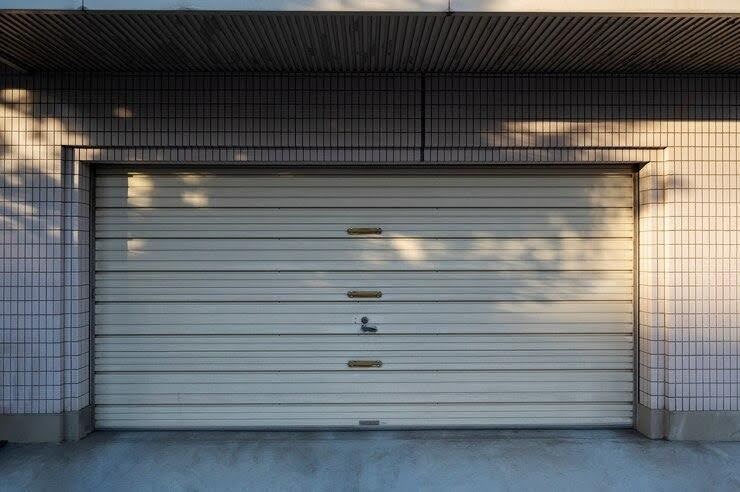

A malfunctioning commercial door doesn’t send a warning. It drops without notice, stalls mid cycle, or slams shut at exactly the wrong moment, and when it does, employees, customers, and vehicles are all within reach of the damage.
The risks are real, the incidents are preventable, and the steps to reduce them are more straightforward than most people expect.
Schedule Commercial Door Services for Sensor and Auto-Stop Testing
Routine commercial door services cover more than repairs. They include testing the sensors and auto-stop functions that prevent a door from closing on a person or a vehicle. Photo eye sensors and pressure sensitive edges are designed to trigger an immediate reversal the moment something crosses the door’s path.
Over time, those sensors drift, lose sensitivity, or collect enough interference to stop functioning accurately. Garage doors are especially prone to dust and debris buildup around sensor components, which is enough to cause false readings or missed detections entirely. Professional calibration and testing, done at least twice a year, keeps those systems doing what they were built to do.
Have Garage Doors Checked for Spring Tension and Balance
A door that descends faster than it should is a door that can hurt someone. Spring tension is what controls how evenly and safely a door travels through its full range of motion. When springs are worn, stretched, or unevenly tensioned, the door becomes unpredictable.
Unbalanced garage doors can drop with very little force and almost no time to react. A qualified technician can assess spring condition, make the right tension adjustments, and catch worn cables before one of them fails under load.
Post Clear Visual Warnings and Keep Door Paths Completely Clear
Signage earns its place when it’s positioned correctly. Warning markers at floor level, reflective strips along door tracks, and clear overhead indicators all help people see exactly where a door operates, particularly in low light or high traffic conditions.
That visibility matters, but it only goes so far if objects are still left in the door’s path. Equipment, pallets, and loose cords near a door threshold create a collision risk that signage alone cannot fix. Keeping those areas clear needs to be a daily standard, not a reaction to something going wrong.
Train Staff to Never Walk or Stand under a Moving Door
You might think this one goes without saying. It doesn’t. People rush, lose focus, or simply assume a door will pause for them, and sometimes they’re right until they aren’t.
Formal safety training needs to make one thing unmistakably clear: no one passes under a door that’s in motion, and stopping inside a doorway to wait is just as risky as rushing through. That habit needs to be automatic, because a door that loses tension on a cable will not pause to give anyone a moment to move.
Install Emergency Stop Buttons at Every Commercial Door
Sensors and reversal systems reduce the likelihood of a door causing harm, but they don’t cover every scenario. An emergency stop button gives anyone in the area the ability to halt door movement immediately, without needing to reach a control panel or locate a remote.
Mount them at a height that every staff member can access, label them clearly, and test them during every routine safety check. When a door needs to stop fast, a well-placed button can be the difference between a near miss and a serious incident.