

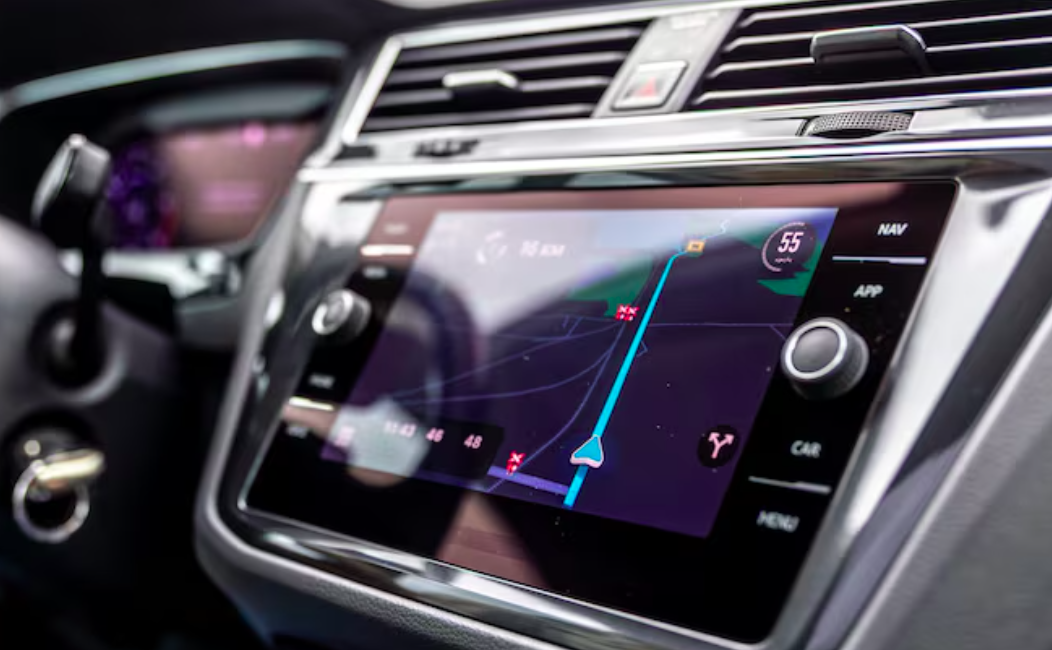
Investing in an upgraded or replacement digital hub for your automobile is a decision that significantly impacts your daily driving experience.
As technology evolves rapidly, the market offers a dizzying array of options, making it essential to prioritize features that provide both long-term value and immediate functionality.
Before purchasing a new unit, carefully evaluate your specific needs to ensure the hardware enhances your time on the road.
Compatibility and Vehicle Integration
The primary consideration is how seamlessly the new unit integrates with your car’s existing electrical architecture. Many modern vehicles utilize complex CAN bus systems for steering wheel controls, backup cameras, and climate adjustments.
You must ensure the chosen device supports these features through appropriate wiring harnesses or interface modules. Failing to verify this hardware synergy often leads to lost functionality or dashboard error codes that are difficult to troubleshoot.
Display Quality and Interface Responsiveness
Your interaction with the system occurs entirely through the screen, so visual clarity and processing speed are paramount. Look for a high-resolution capacitive touchscreen that remains legible even in bright, direct sunlight.
Furthermore, test the interface responsiveness; a sluggish system that takes several seconds to load menus or register touch inputs becomes a significant distraction while driving. An optimized infotainment setup should feel as intuitive and fluid as a premium smartphone.
Smartphone Mirroring and Connectivity Standards
Modern drivers expect their digital lives to bridge the gap between their mobile devices and their vehicles.
Robust support for both Apple CarPlay and Android Auto is essential, as these platforms provide the most stable environment for navigation, music streaming, and voice-activated messaging.
Verify that the system supports wireless connectivity for these platforms, as it eliminates the clutter of tangled cables and allows for a cleaner dashboard aesthetic.
Navigation and Real-Time Traffic Updates
While many drivers rely on their phones for directions, a dedicated navigation module within your vehicle unit is a valuable asset in areas with poor cellular reception.
Consider whether the system supports offline map storage or live traffic updates that dynamically recalculate routes based on road conditions.
A high-quality infotainment interface will clearly display turn-by-turn guidance, allowing you to maintain focus on the road ahead rather than struggling to interpret complex, small-scale maps.
Audio Quality and Expansion Capabilities
If you are an audiophile, the internal amplifier and digital-to-analog converter within the new unit are critical components. Check for built-in equalizers that allow you to customize the sound stage to your personal preference.
Additionally, verify the number of pre-amplifier outputs if you plan to add external subwoofers or upgraded door speakers later. A versatile system acts as the foundation for your entire acoustic environment, ensuring that your media library sounds crisp and immersive.
Security Features and Software Updates
Finally, evaluate how the manufacturer supports the device long after the initial installation. Digital components are prone to evolving cybersecurity threats, making regular firmware updates vital for maintaining data protection and feature stability.
Choose a reputable brand known for providing long-term software support. This commitment ensures your selected infotainment choice remains a secure, reliable, and functional asset throughout the years you own the vehicle.