
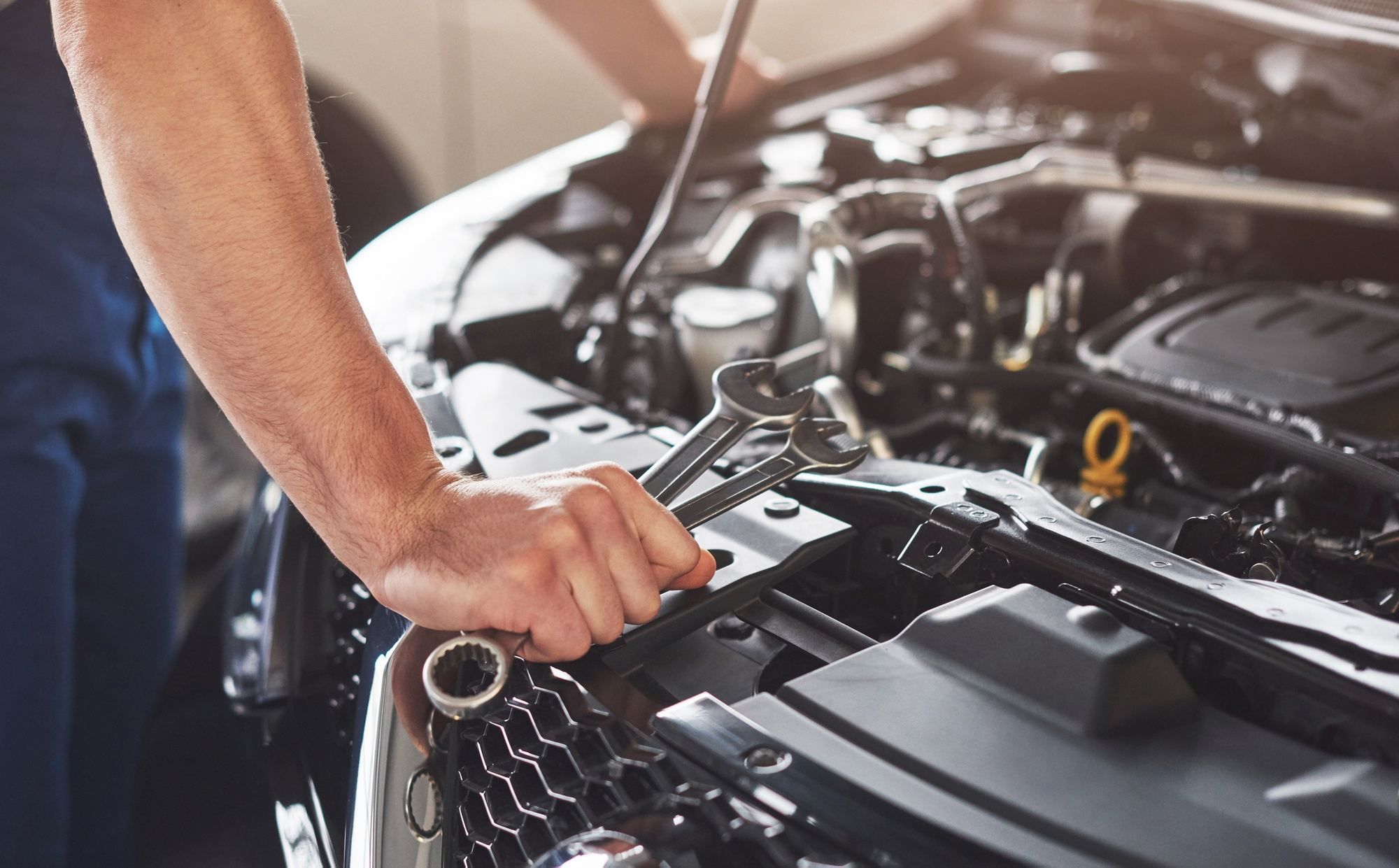
Engineers must work with several components that work in tandem to keep a vehicle engine running optimally. Because each engine component has a unique function, a minor problem with any of the engine’s parts will compromise the vehicle’s overall operation. Many engine components help power the engine, while others regulate fuel and air flow.
Knowledge of engine components can help car owners make better decisions regarding engine replacement and upgrades. Regular engine maintenance and the use of high-quality components will prolong an engine’s life. Here are several important components of an engine that help boost performance.
The Role of a Diesel Turbocharger
By feeding extra air into the combustion chamber, a turbocharger helps the diesel engine achieve increased power output. As air enters the engine, it burns more efficiently, producing more power. By including a diesel turbocharger, it is possible to achieve higher power output with smaller diesel engines. As with all engine parts, proper care of the diesel turbocharger is needed. Turbocharger damage can be avoided by making sure the oil is changed and the air filter is cleaned regularly. Inspections should also be completed to make sure the turbocharger continues to operate properly.
Understanding Pontiac Cylinder Heads
One important part of a vehicle’s engine is the cylinder heads. These help in creating the correct seal between the head and the block and control the flow of air, fuel, and exhaust gases. In this way, they play an important role in controlling engine airflow and therefore in maximizing engine performance. For engine upgrades, enthusiasts choose high-quality Pontiac cylinder heads because these components improve airflow and, in turn, engine performance. They need to choose carefully, though, and ensure the components match their engine needs for optimal engine performance and reliability.
The Importance of Fuel Injectors
Fuel injectors provide a means to input fuel to an engine in the right way. Fuel injectors deliver a fine mist of fuel into the combustion chamber to ensure optimal mixing and efficient combustion. Proper operation of injectors promotes engine smoothness and fuel efficiency. Improperly working or clogged fuel injectors result in a lower fuel economy, and starting difficulties.
The Role of the Cooling System
While an engine runs, it gets extremely hot. This is when the cooling system kicks in to keep your engine running at a safe, appropriate temperature. Important components of this system include the coolant, the thermostat, the radiator, and even the water pump. When this system fails to perform as it should, the engine is likely to overheat, causing serious problems. Prevention is always better than a cure, and checking for leaks and maintaining adequate coolant levels are always good ideas.
Conclusion
Maintaining a powerful, smooth, and dependable engine requires quality auto parts. There are many components involved in a vehicle’s engine. A number of these components include a turbocharger, cylinder head, fuel injector, and a cooling system. All these engine parts work together in synergy. Choosing and using quality parts, along with proper maintenance, helps extend a car’s life.